Why Licensing and Insurance Matter When Hiring a Contractor
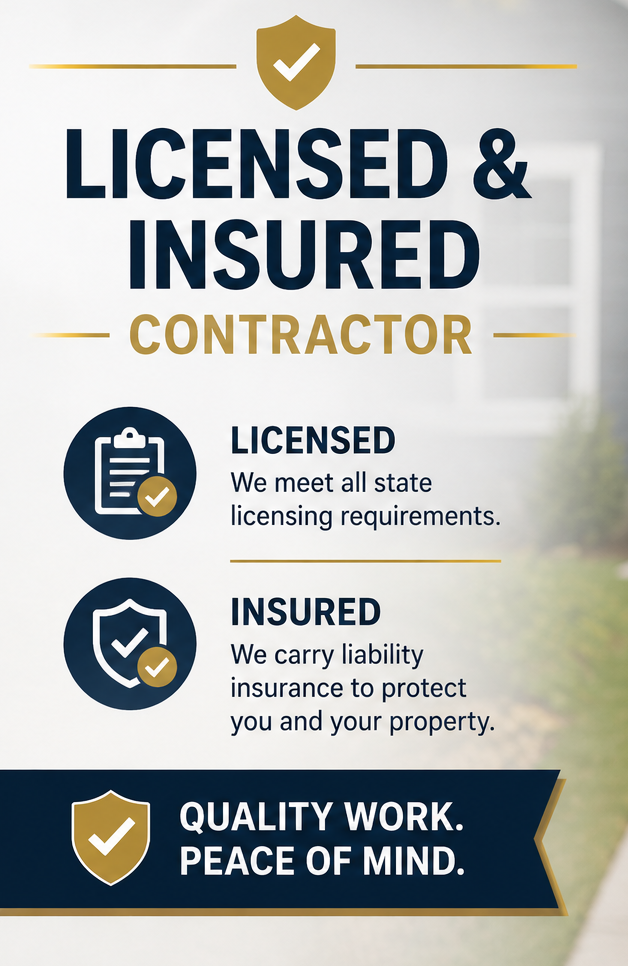
When homeowners begin planning a remodeling, renovation, or construction project, they often focus on design ideas, material selections, budgets, and timelines. While these are all important considerations, one factor that is sometimes overlooked can have a significant impact on the success of the project: whether the contractor is properly licensed and insured.
Licensing and insurance may not be the most exciting topics in construction, but they are among the most important. They provide protection for both homeowners and contractors, help ensure professionalism and accountability, and can make a major difference if something unexpected happens during a project.
Before hiring a contractor, it's important to understand what licensing and insurance are, why they matter, and how they protect your investment.
What Does It Mean for a Contractor to Be Licensed?
A contractor's license is a credential issued by a state or local governing authority that allows them to legally perform certain types of construction work.
Licensing requirements vary by location, but they often include:
Meeting experience requirements
Passing examinations
Demonstrating knowledge of construction practices
Understanding building codes and regulations
Complying with applicable laws and standards
Licensing helps establish a baseline level of competency and professionalism within the construction industry.
While a license alone does not guarantee quality workmanship, it does indicate that the contractor has met specific requirements established by regulatory authorities.
Why Licensing Matters
Hiring a licensed contractor offers several important advantages.
Knowledge of Building Codes

Construction projects must comply with local building codes and regulations.
Licensed contractors are expected to understand:
Structural requirements
Electrical codes
Plumbing codes
Safety regulations
Permit requirements
Failure to comply with these standards can lead to failed inspections, costly corrections, and potential safety issues.
A licensed contractor helps ensure that work is completed according to current code requirements.
Accountability
Licensed contractors operate under regulations established by licensing authorities.
This creates a level of accountability because:
Licenses can be suspended or revoked
Contractors are expected to follow professional standards
Complaints can often be filed through regulatory agencies
This oversight provides homeowners with additional protection and recourse if problems arise.
Professionalism
Maintaining a license typically requires contractors to remain informed about industry standards and regulations.
Professional contractors understand that licensing is part of maintaining credibility and trust within the industry.
For homeowners, working with a licensed contractor often provides greater confidence in the process.
Understanding Contractor Insurance
Insurance protects against financial loss resulting from accidents, injuries, property damage, or other unforeseen events.
Construction projects involve tools, equipment, materials, and multiple people working together. Even with proper planning and safety measures, unexpected situations can occur.
Contractor insurance helps protect everyone involved.
The two most important types of insurance homeowners should understand are:
General liability insurance
Workers' compensation insurance
General Liability Insurance
General liability insurance protects against claims involving property damage or bodily injury related to the contractor's work.
For example, liability insurance may help cover situations such as:
Accidental damage to the homeowner's property
Damage caused during construction activities
Certain injury claims involving third parties
Without liability insurance, homeowners could potentially face significant financial exposure if damage occurs during the project.
Why This Matters
Imagine a scenario where construction work accidentally damages:
Flooring
Existing finishes
Neighboring property
Utilities
If the contractor lacks proper insurance coverage, resolving these issues can become complicated and costly.
Liability insurance helps provide a layer of financial protection and peace of mind.
Workers' Compensation Insurance
Workers' compensation insurance covers employees who are injured while performing work-related duties.
Construction is physically demanding, and job sites naturally involve certain risks.
Workers' compensation may help cover:
Medical expenses
Lost wages
Rehabilitation costs
Why Homeowners Should Care
Many homeowners assume workers' compensation only protects workers, but it can also protect property owners.
If a worker is injured on your property and the contractor does not carry proper coverage, legal and financial complications may arise.
Verifying workers' compensation coverage helps reduce this risk.
The Risks of Hiring an Unlicensed Contractor
Some homeowners are tempted to hire unlicensed contractors because of lower pricing.
While this may seem attractive initially, it often carries significant risks.
Poor Workmanship
Without licensing requirements, there may be fewer assurances regarding:
Training
Experience
Knowledge of codes
Professional standards
Poor workmanship can lead to:
Failed inspections
Costly repairs
Safety concerns
Permit Issues

Many construction projects require permits.
Unlicensed contractors may:
Avoid obtaining permits
Encourage homeowners to pull permits themselves
Complete work that does not meet code requirements
This can create complications when selling the home or obtaining future permits.
Limited Recourse
If problems occur, homeowners may have fewer options for resolving disputes with unlicensed contractors.
Licensing boards often provide mechanisms for addressing complaints against licensed professionals.
These protections may not exist when working with unlicensed individuals.
The Risks of Hiring an Uninsured Contractor
Hiring an uninsured contractor can create even greater financial risks.
Property Damage
If damage occurs during construction and the contractor lacks liability insurance, homeowners may find themselves responsible for repair costs.
Injury Claims
Without workers' compensation coverage, injuries sustained on the job site can lead to complicated legal situations.
Financial Liability
Unexpected accidents can become expensive very quickly.
Insurance helps ensure that appropriate coverage exists if problems arise.
Why Verification Matters
Many homeowners assume that contractors are licensed and insured simply because they say they are.
However, it's always a good idea to verify.
Before hiring a contractor:
✅ Ask for license information
✅ Request proof of insurance
✅ Verify coverage if necessary
✅ Confirm licenses are current and active
Professional contractors should have no problem providing this information.
In fact, reputable contractors often expect these questions and appreciate homeowners who do their due diligence.
Licensing and Insurance Are Signs of Professionalism
A contractor who maintains proper licensing and insurance demonstrates a commitment to professionalism.
It shows they are willing to:
Operate legally
Follow regulations
Invest in their business
Protect their clients
Protect their employees
These are all positive indicators when evaluating potential contractors.
Looking Beyond Price
When comparing contractors, it's important to remember that the lowest price is not always the best value.
A lower bid may sometimes reflect:
Lack of insurance
Lack of licensing
Inadequate project planning
Reduced overhead and protections
While cost is certainly important, homeowners should evaluate the complete picture.
Value includes:
Experience
Communication
Licensing
Insurance
Reputation
Professionalism
Choosing a qualified contractor often saves money and stress in the long run.
Questions Homeowners Should Ask

Before hiring a contractor, consider asking:
Are you properly licensed for this type of work?
Can you provide proof of insurance?
Do you carry general liability insurance?
Do you carry workers' compensation coverage?
Will permits be obtained when required?
Who will be performing the work?
These questions help establish transparency and ensure everyone is on the same page before construction begins.
The Importance of Protecting Your Investment
For many homeowners, a remodeling project represents a significant investment.
Whether you're remodeling a kitchen, updating a bathroom, finishing a basement, or building an addition, you want confidence that your investment is protected.
Licensing and insurance help provide that protection.
They reduce risk, improve accountability, and contribute to a smoother overall project experience.
Final Thoughts
Licensing and insurance may not be the first things homeowners think about when hiring a contractor, but they should be among the first things verified.
A properly licensed contractor demonstrates knowledge, professionalism, and accountability. Proper insurance coverage helps protect homeowners, workers, and property if unexpected situations occur.
While no credential can guarantee a perfect project, licensing and insurance provide important safeguards that help reduce risk and create confidence throughout the construction process.
When evaluating contractors, don't focus solely on price or design ideas. Take the time to verify licensing and insurance, ask questions, and understand the protections that are in place.
In the end, hiring a licensed and insured contractor is one of the smartest investments you can make in the success of your project and the protection of your home.


Comments