Storage Solutions That Maximize Small Kitchens
- davisrenosde
- Mar 11
- 5 min read

For many homeowners, the kitchen is the most frequently used space in the home. It’s where meals are prepared, families gather, and daily routines begin and end. However, when a kitchen is small, it can quickly feel cluttered, cramped, and difficult to work in. Limited cabinet space, tight layouts, and minimal counter area often make organization a challenge.
The good news is that a small kitchen doesn’t have to mean limited functionality. With thoughtful planning, creative storage solutions, and smart design choices, even compact kitchens can provide excellent storage and efficiency. In many cases, maximizing storage is less about adding square footage and more about using every inch of space effectively.
Here are some of the most effective storage solutions that can transform a small kitchen into a highly functional and organized space.
Start With Smart Kitchen Design
Before focusing on individual storage solutions, it’s important to understand that good kitchen storage begins with good design. The layout should support how the kitchen is actually used.
In smaller kitchens, space must work harder. Every cabinet, drawer, and corner should have a clear purpose. Instead of simply filling the space with standard cabinets, a well-designed kitchen prioritizes accessibility, organization, and efficient workflow.
A thoughtful design will consider:
Cooking zones
Prep space
Storage for frequently used items
Proper cabinet placement
Easy access to cookware and utensils
When these elements are planned properly, storage becomes much more effective.
Utilize Vertical Space
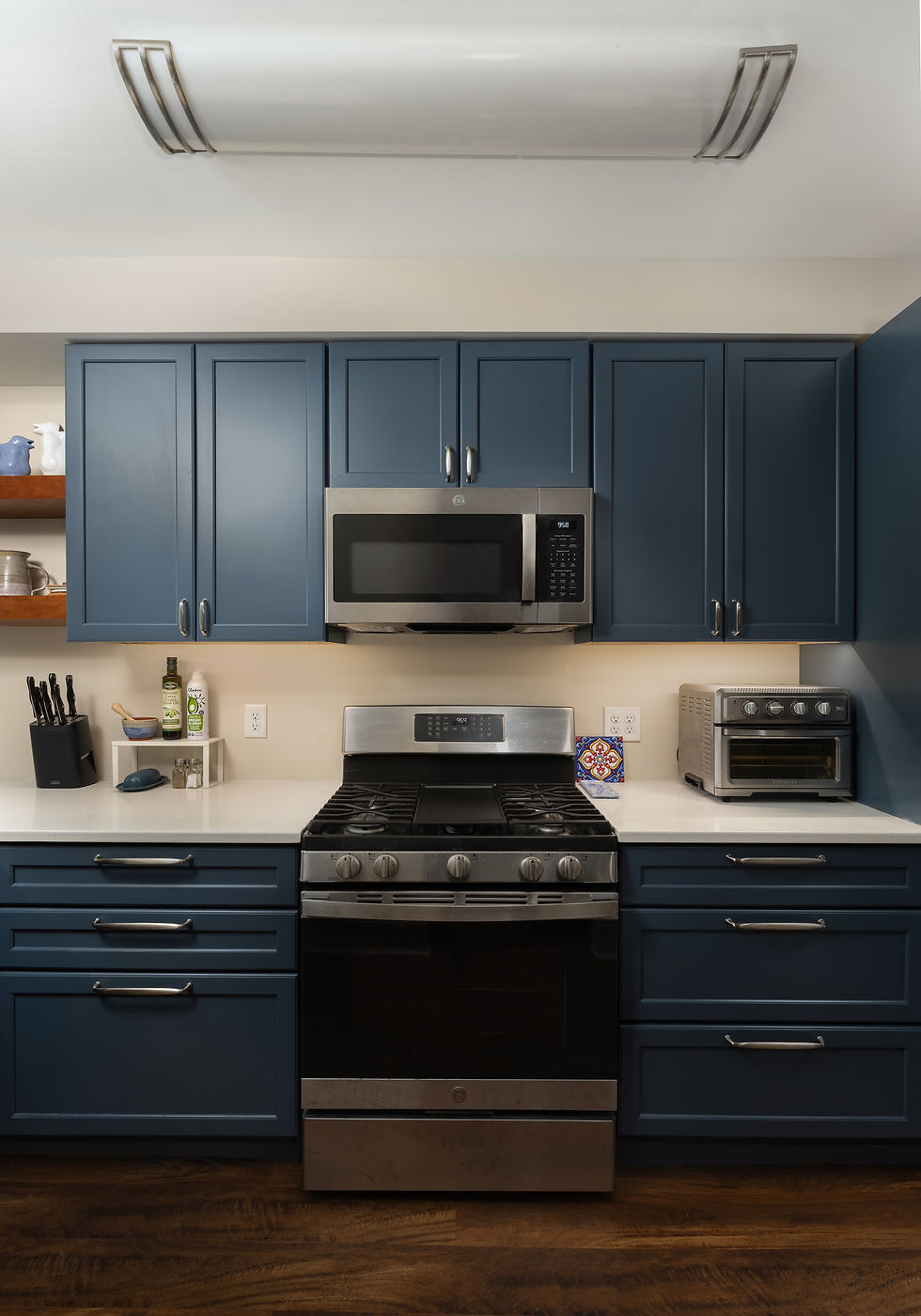
One of the most common mistakes in small kitchens is not fully using vertical space. Many kitchens stop cabinets several inches or even a foot below the ceiling, leaving valuable storage unused.
Installing full-height cabinetry that extends to the ceiling can significantly increase storage capacity. The uppermost cabinets are perfect for storing items that are used less frequently, such as seasonal cookware, small appliances, or specialty serving pieces.
Benefits of full-height cabinets include:
More overall storage
A cleaner, more finished appearance
Less dust collecting above cabinets
Even a few additional rows of cabinetry can make a noticeable difference in a small kitchen.
Incorporate Deep Drawer Storage
Traditional lower cabinets often require homeowners to reach deep into the back to access pots, pans, or containers. This makes items harder to find and wastes usable space.
Replacing standard base cabinets with deep drawers is one of the most effective ways to improve kitchen storage.
Deep drawers allow homeowners to:
Easily access cookware
Organize items with dividers
Avoid stacking heavy pots and pans
Because drawers pull out completely, they eliminate the need to dig through cabinets. This makes them especially useful in smaller kitchens where efficiency matters.
Add Pull-Out Cabinet Features
Pull-out storage systems are designed to maximize space and accessibility inside cabinets. These features bring items forward, making them easy to see and reach.
Common pull-out storage solutions include:
Pull-out spice racks
Vertical tray dividers for baking sheets and cutting boards
Pull-out pantry shelves
Pull-out trash and recycling bins
Pull-out utensil organizers
These systems help prevent clutter while keeping everything organized and easy to access.
Make the Most of Corner Cabinets
Corner cabinets are often one of the most challenging spaces in a kitchen. Without proper storage systems, these areas can become difficult to reach and inefficient to use.
Fortunately, several solutions are designed specifically for corner storage.
Some of the most effective options include:
Lazy Susans: Rotating shelves allow items to spin into view, making it easier to reach cookware and pantry items.
Pull-Out Corner Systems: These specialized shelves pull completely out of the cabinet, bringing items from deep inside the corner forward.
Blind Corner Pull-Outs: These systems slide shelves out from the cabinet, allowing access to spaces that would otherwise be wasted.
By properly addressing corner cabinets, homeowners can recover valuable storage that might otherwise go unused.
Consider Toe Kick Drawers

One of the most overlooked storage opportunities in kitchens is the toe kick area, the recessed space beneath lower cabinets.
With custom cabinetry, this area can be transformed into hidden drawers. While these drawers are typically shallow, they are perfect for storing items like:
Baking sheets
Cutting boards
Kitchen towels
Flat serving trays
Toe kick drawers provide discreet storage without affecting the main cabinet layout.
Use Open Shelving Strategically
Open shelving can be a useful addition in small kitchens when used thoughtfully. It can help reduce the visual weight of cabinetry while keeping frequently used items within easy reach.
Open shelves are ideal for storing:
Everyday dishes
Glassware
Coffee mugs
Decorative items
However, it’s important not to overuse open shelving. Too many exposed items can create visual clutter. A balanced combination of closed cabinets and open shelves often works best.
Add a Functional Kitchen Island
If space allows, a kitchen island can dramatically increase storage in a small kitchen. Even a modest island can provide additional cabinets, drawers, and counter space.
Kitchen islands can include:
Drawer storage
Cabinet shelving
Built-in trash bins
Electrical outlets for small appliances
Some islands also incorporate seating, making them multifunctional spaces for both cooking and gathering.
When designing an island for a small kitchen, it’s important to maintain adequate clearance around the space to ensure comfortable movement.
Create a Pantry Solution
Even if a full walk-in pantry isn’t possible, there are several ways to incorporate pantry-style storage into a small kitchen.
Options include:
Tall Pantry Cabinets: These cabinets extend from floor to ceiling and offer deep shelving for dry goods and food storage.
Pull-Out Pantry Cabinets: These narrow cabinets slide out, providing easy access to multiple shelves of stored items.
Built-In Pantry Shelving: If space allows, a small closet or wall niche can be converted into a compact pantry.
Having dedicated food storage helps reduce clutter in other cabinets and keeps ingredients organized.
Improve Cabinet Organization
Storage capacity isn’t just about the number of cabinets, it’s also about how well they are organized.
Interior cabinet organizers can make a big difference in maximizing space. These include:
Adjustable shelves
Drawer dividers
Vertical pan organizers
Pull-out baskets
By keeping items separated and easy to find, these solutions prevent cabinets from becoming overcrowded.
Prioritize Lighting

While lighting may not seem directly related to storage, it plays an important role in making a small kitchen feel more functional.
Under-cabinet lighting helps illuminate countertops and makes it easier to find items stored in cabinets and drawers.
Well-lit spaces feel larger and more organized, which enhances the overall functionality of the kitchen.
Eliminate Unused or Inefficient Cabinets
Sometimes the best way to improve storage is by removing cabinets that are poorly designed or difficult to use.
For example, replacing a small, awkward cabinet with a set of deep drawers or a pull-out system may actually increase storage capacity.
Custom cabinetry allows homeowners to tailor storage to their specific needs rather than relying on generic cabinet layouts.
Plan for Small Appliances
Small kitchens often struggle with countertop clutter caused by appliances like coffee makers, toasters, and mixers.
Designated storage solutions can help keep these items accessible while maintaining clear counter space.
Options include:
Appliance garages
Dedicated cabinet shelves
Pull-out appliance platforms
Keeping appliances organized helps maintain a clean, functional kitchen workspace.
Work With Experienced Professionals
Maximizing storage in a small kitchen requires more than just adding cabinets. It requires thoughtful planning, efficient layout design, and the right combination of storage features.
Experienced residential contractors and kitchen designers understand how to evaluate a space and recommend solutions that improve both function and appearance.
They can help homeowners:
Identify unused storage opportunities
Select appropriate cabinetry systems
Design layouts that improve workflow
Balance storage with aesthetics
A professional approach ensures that the final kitchen feels both practical and visually appealing.
Final Thoughts
A small kitchen doesn’t have to feel limiting. With the right storage solutions, even compact kitchens can become highly functional and organized spaces.
By utilizing vertical space, incorporating smart cabinet features, improving organization, and designing layouts that support everyday use, homeowners can dramatically increase the usability of their kitchens.
The key is thoughtful design. Every inch of space matters in a small kitchen, and when it’s used effectively, the result is a kitchen that works better, feels larger, and supports the way homeowners truly live.
With the right planning and craftsmanship, a small kitchen can deliver big results.


Comments