How to Select Materials Based on How You Use Your Home
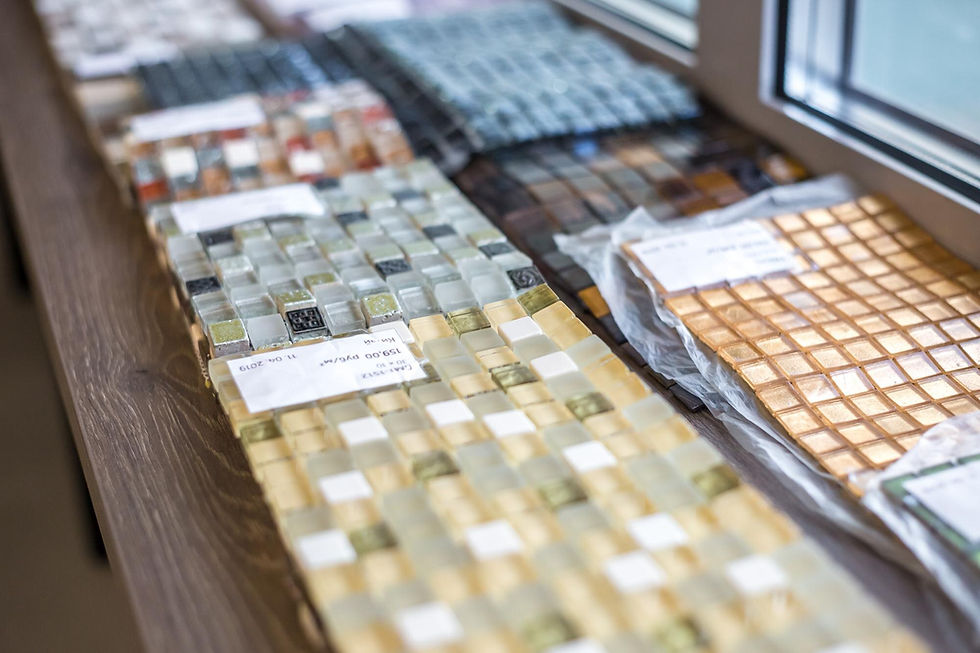
Choosing materials for a remodeling project is about much more than picking colors, styles, and finishes that look good in a showroom. The best material for your home also needs to fit the way you actually live in the space.
A beautiful flooring product may not be the best choice for a busy household with children and pets. A delicate countertop may not be ideal for someone who cooks every day. Likewise, a high-maintenance finish may become frustrating if you prefer materials that are easy to clean and maintain.
Every household uses its home differently. Some homeowners prioritize durability. Others care more about appearance, comfort, accessibility, easy maintenance, or long-term value. The key is to select materials based on your lifestyle rather than choosing products based solely on trends.
Before making material selections, consider how each room is used, how much wear it receives, and what you expect from the finished space.
Start With How You Use Each Room
The first step in selecting remodeling materials is to think about the purpose of each room.
A kitchen used several times a day has different requirements than a formal dining room that is used occasionally. A busy family bathroom has different needs than a guest bathroom. A basement used as a children's playroom will require different materials than a basement used as an adult entertainment area.
Ask yourself:
Who uses the room?
How frequently is it used?
Is the room exposed to moisture?
Does it receive heavy foot traffic?
Is food regularly prepared or consumed there?
Are children or pets using the space?
How much cleaning are you willing to do?
Will the room's purpose change in the future?
Do you prioritize durability, appearance, comfort, or maintenance?
These questions can help narrow down material options before you become overwhelmed by the number of choices available.
Consider the Amount of Wear and Tear
Some areas of a home simply experience more wear than others. Entryways, kitchens, hallways, mudrooms, bathrooms, and family rooms tend to receive frequent use. Materials in these spaces should be selected with everyday activity in mind. For example, flooring in a busy hallway may experience thousands of footsteps over the course of a year. A flooring material that looks beautiful but requires extensive maintenance may not be practical for that location.
High-use areas may benefit from materials that are:
Durable
Easy to clean
Resistant to everyday wear
Appropriate for the environment
Easy to repair or replace
Suitable for the household's lifestyle
This does not mean every high-traffic area needs the toughest material available. Instead, the material should provide a reasonable balance between appearance, performance, and maintenance.
Think About Children and Pets
Homes with children and pets often have different material requirements.
Mud, spills, scratches, toys, food, and frequent cleaning can all affect how materials perform over time.
Flooring is one of the most noticeable examples. Homeowners may want a product that can handle frequent foot traffic and everyday messes without requiring constant special treatment.
Cabinet finishes, countertops, upholstery, wall paint, and trim can also be affected by an active household.
When selecting materials, think beyond how they look on installation day. Consider how they will look after years of normal household activity.
A material that hides everyday marks or can be cleaned easily may be more practical than one that requires delicate care.
Kitchens Require Practical Material Choices

The kitchen is one of the most demanding rooms in a home. Countertops may be exposed to food, spills, heat, moisture, knives, appliances, and frequent cleaning. Flooring can experience heavy traffic, dropped objects, and spills.
Cabinet surfaces are touched constantly, while backsplashes can accumulate grease and food splatter.
When selecting kitchen materials, consider how you actually cook and use the room.
If you cook frequently, countertop maintenance may be particularly important. If you regularly entertain, you may want durable surfaces that can handle larger gatherings.
Families may also benefit from flooring and cabinet finishes that are easier to clean.
The goal isn't simply to choose the most durable material. It is to select a product whose performance matches the way the kitchen is used.
Bathrooms Need Materials That Handle Moisture
Bathrooms require materials that are appropriate for a consistently humid environment.
Water and moisture can affect flooring, walls, ceilings, cabinetry, countertops, caulk, grout, and other components.
When remodeling a bathroom, consider:
Shower and tub surfaces
Flooring
Vanity materials
Countertops
Wall finishes
Grout
Hardware
Paint
Ventilation
Materials should be selected with the room's moisture exposure and cleaning requirements in mind.
A bathroom used by a family several times a day may also need more durable and easier-to-maintain materials than a guest bathroom used occasionally.
Choose Flooring Based on Lifestyle

Flooring is one of the most important material decisions in a remodeling project because it covers such a large area and receives constant use. Different rooms may require different flooring characteristics.
For example, homeowners might prioritize:
Durability: Important in busy hallways, kitchens, family rooms, and entryways.
Moisture resistance: Important in bathrooms, laundry rooms, and other areas where water may be present.
Comfort: Important in bedrooms, family rooms, and spaces where people spend extended periods standing or walking.
Easy maintenance: Particularly useful in homes with children, pets, or high levels of activity.
Appearance: Important when creating a specific design style or coordinating multiple rooms.
It can also be useful to consider transitions between different flooring materials. A home does not necessarily need the same flooring throughout, but changes should be planned so they look intentional.
Consider How Much Maintenance You Want
Two materials may have similar appearances while requiring very different levels of maintenance.
Some homeowners enjoy regularly maintaining natural materials and appreciate the character they develop over time. Others want surfaces that require as little upkeep as possible.
Neither preference is necessarily better. The important thing is to choose accordingly.
Before selecting a material, ask:
Does it need to be sealed?
How often does it need maintenance?
Is it easy to clean?
Are special cleaning products required?
Can scratches or damage be repaired?
How easily are stains visible?
Will the material require regular refinishing?
A low-maintenance material may be particularly valuable in a busy household where homeowners do not want additional chores.
Think About Your Cooking Habits
Countertops and kitchen surfaces should be selected based on how the kitchen is actually used.
Someone who rarely cooks may have different priorities than a homeowner who prepares multiple meals every day.
Frequent cooking can mean more spills, heat, food preparation, cleaning, and general activity.
Think about where you prepare food, where appliances sit, and how much countertop space you use.
The same concept applies to kitchen backsplashes. A homeowner who regularly cooks may appreciate a backsplash that is straightforward to clean, particularly behind the range or other high-use areas.
Entertaining Changes Material Requirements

If your home frequently hosts family and friends, your remodeling choices may need to account for larger groups.
A kitchen island may become a gathering point. Flooring may experience additional traffic. Countertops and dining surfaces may receive more use.
In these situations, homeowners may want materials that combine durability with a finished appearance suitable for entertaining.
Storage is another consideration. A home that regularly hosts guests may benefit from durable cabinetry, convenient serving areas, and surfaces that can handle frequent use.
Consider Accessibility and Long-Term Comfort
Material selection should also account for how your needs may change over time.
A home may need to accommodate changing mobility, aging family members, or different household circumstances.
For example, flooring transitions should ideally be comfortable and predictable. Bathroom materials can be selected with long-term accessibility in mind. Shower layouts, grab-bar reinforcement, lighting, and flooring can all be considered during a remodel.
Even homeowners who do not currently need accessibility modifications may want to think about future usability.
Remodeling provides an opportunity to make choices that can keep a home functional for many years.
Don't Forget About Cleaning
Every material eventually needs to be cleaned, but some surfaces make that process easier than others.
Consider the areas of your home that require the most frequent cleaning. Kitchens may need regular wiping around countertops and backsplashes. Bathrooms require attention to moisture, soap, and buildup. Entryways may collect dirt and debris.
Flooring with complicated textures or numerous grout joints may require different cleaning methods than a smoother surface.
The amount of cleaning required should be part of the material-selection conversation from the beginning.
Consider Your Pets' Habits
Pets can have a major influence on material performance. Dogs may track in dirt and water. Cats may scratch certain surfaces. Pets can also contribute to spills, stains, and general wear.
If pets spend significant time in a particular room, consider how the selected materials will respond to that activity.
Flooring is particularly important. You may want to consider how easily the material can be cleaned and how visible scratches, dirt, or pet hair will be.
The goal is not to design a home that cannot show any signs of living in it. Instead, select materials that fit realistically with your household.
Think About Future Changes
A remodeling project should address your current needs, but it can also be useful to consider what may change.
A young family may eventually need more storage. Children may grow into teenagers with different space requirements. A spare bedroom may eventually become a home office. A basement may transition from a playroom to an entertainment space.
Flexible material choices can help a room adapt.
Neutral and durable base materials can sometimes make it easier to change furniture, paint colors, lighting, and accessories later without remodeling the entire room.
Balance Durability With Design
Durability should not mean sacrificing appearance. Modern remodeling projects offer many material options that combine performance with attractive designs.
The key is to determine where durability is most important. A homeowner might choose a particularly durable flooring product for the main hallway while selecting a different material for a less frequently used room.
Likewise, a high-use kitchen countertop may require different performance characteristics than a decorative surface in a low-use area.
Think of material selection as a series of priorities rather than trying to find one material that works perfectly everywhere.
Consider the Cost Over the Life of the Material

Initial price is important, but it should not be the only factor. A less expensive material may require more maintenance, replacement, or repair over time. A more expensive material may provide characteristics that are particularly valuable to your household.
This does not mean the most expensive option is automatically the right choice.
Instead, consider the overall value.
Ask yourself:
How long do I expect the material to last?
How much maintenance will it require?
How difficult will it be to repair?
Does it fit the room's purpose?
Will I still be happy with it several years from now?
Does the material provide useful performance for the price?
A material that fits your lifestyle can provide more value than a product selected simply because it is popular or expensive.
Avoid Choosing Materials in Isolation
One of the biggest mistakes homeowners can make is choosing each material independently.
Flooring, cabinets, countertops, backsplash, paint, trim, fixtures, and hardware all interact visually. Performance matters too.
For example, a flooring material may look excellent by itself but may not work well with the maintenance requirements of the household.
Material selections should therefore be considered as part of the complete design and construction plan.
Prioritize the Areas That Matter Most
You do not necessarily need to spend the same amount on every material in the house. Instead, identify where your household puts the most demands on the home.
If the kitchen is the center of family activity, it may make sense to prioritize kitchen surfaces and storage.
If the entryway experiences constant traffic, flooring and storage may deserve more attention.
If the bathroom is used heavily, moisture-resistant and easy-to-maintain materials may be a priority.
This approach allows homeowners to focus their budget and attention where the materials will have the greatest practical impact.
Material Selection Should Reflect Real Life
A successful remodeling project should not only look good when the work is finished. It should continue to work well as your household uses the space day after day.
The best material selections are often the ones that balance appearance with real-world performance.
Before choosing a product, think about your family's routines, traffic levels, cleaning habits, pets, entertaining, cooking, moisture exposure, storage needs, and long-term plans.
A showroom can show you what a material looks like. Your lifestyle determines whether that material is actually a good fit for your home.
By selecting materials based on how you use your home, you can create spaces that are attractive, functional, durable, and easier to maintain.


Comments